Kwamin Wallace and the Strength of Inclusive Healthcare Leadership

Introduction
In today’s rapidly evolving healthcare landscape, leadership is no longer defined solely by operational excellence or financial performance. True healthcare leadership is measured by the ability to create equitable systems, empower diverse communities, and ensure that quality care is accessible to everyone. This is where inclusive healthcare leadership becomes essential — and leaders like Kwamin Wallace continue to demonstrate its transformative impact.
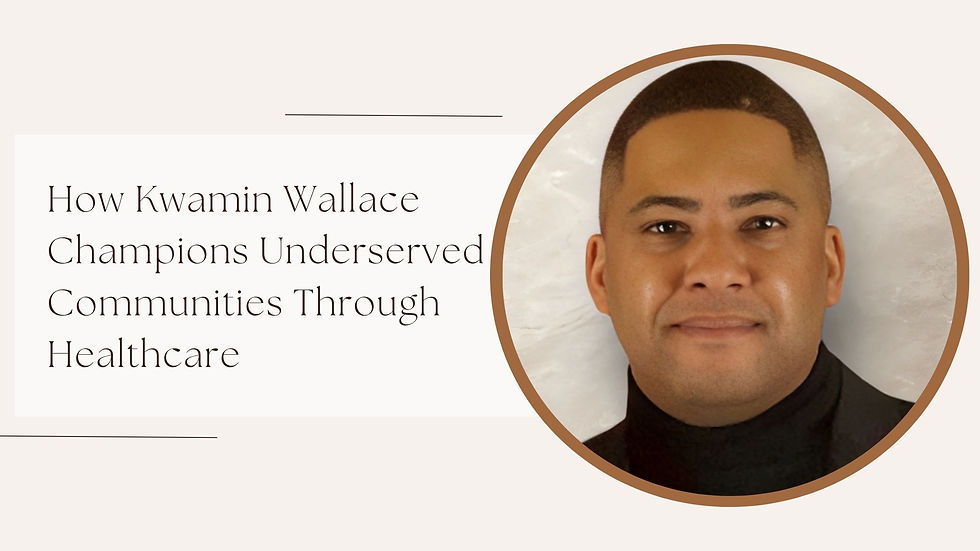
With more than 25 years of experience across public and private healthcare sectors, Kwamin Wallace has built a reputation for advancing community-centered healthcare initiatives that prioritize compassion, accessibility, and long-term sustainability. His work reflects a leadership philosophy rooted in inclusion, collaboration, and social responsibility.
Understanding Inclusive Healthcare Leadership
Inclusive healthcare leadership is about creating environments where every individual — regardless of socioeconomic background, ethnicity, gender, or geographic location — has access to quality healthcare services and opportunities for wellness. It requires leaders to move beyond traditional systems and focus on building trust within underserved communities.
Healthcare organizations today face growing disparities in access to care, chronic disease management, and health education. Inclusive leaders recognize that solving these challenges demands more than policy changes; it requires meaningful community engagement and culturally responsive strategies.
Kwamin Wallace’s leadership approach reflects this modern vision. By emphasizing community partnerships and patient-centered initiatives, he demonstrates how healthcare leaders can bridge gaps between institutions and the populations they serve.
Building Community Through Healthcare
One of the most powerful aspects of inclusive leadership is the ability to unite communities around shared health goals. Healthcare is not only about hospitals and clinical treatment — it is also about prevention, education, and community empowerment.
Throughout his career, Kwamin Wallace has supported initiatives that focus on strengthening public health outreach and improving healthcare accessibility. His work with community-driven programs highlights the importance of listening to local needs and developing solutions that create measurable impact.
Inclusive healthcare leaders understand that every community has unique challenges. Rural populations may struggle with limited healthcare access, while underserved urban neighborhoods may face barriers related to affordability or health literacy. Effective leadership requires adaptability, empathy, and collaboration with stakeholders across multiple sectors.
By prioritizing these values, Wallace represents a leadership model that inspires healthcare professionals to think beyond traditional administrative roles and become advocates for social progress.
The Role of Empathy in Leadership
Empathy is one of the defining qualities of inclusive healthcare leadership. Patients and communities respond positively to leaders who genuinely understand their experiences and challenges.
In healthcare, empathy strengthens trust between providers and patients, improves communication, and contributes to better health outcomes. Leaders who foster empathetic cultures within healthcare organizations often create stronger teams and more effective systems of care.
Kwamin Wallace’s leadership philosophy reflects this people-first mindset. Rather than focusing solely on operational success, his approach emphasizes meaningful community relationships and sustainable healthcare solutions. This balance between strategic leadership and human connection is what makes inclusive leadership so impactful.
Why Diversity Matters in Healthcare Leadership
Diversity within healthcare leadership is critical for innovation and effective decision-making. Organizations that embrace diverse perspectives are better equipped to address complex public health challenges and develop solutions that reflect the realities of the populations they serve.
Inclusive leaders encourage collaboration among professionals from different backgrounds and disciplines. This diversity of thought often leads to more creative problem-solving, stronger patient engagement strategies, and improved healthcare outcomes.
Kwamin Wallace’s work demonstrates the importance of fostering environments where inclusion is not treated as a trend, but as a foundational leadership principle. By championing equitable healthcare initiatives, he highlights how diverse leadership can create stronger, healthier communities.
Leadership That Creates Lasting Impact
The healthcare industry continues to face evolving challenges, from workforce shortages to public health crises and healthcare inequities. Addressing these issues requires leaders who are willing to innovate while remaining deeply committed to community well-being.
Inclusive healthcare leadership creates long-term impact because it focuses on sustainability rather than short-term success. Leaders who invest in education, prevention, and equitable access help build healthier communities for future generations.
Kwamin Wallace’s professional journey serves as an example of how leadership rooted in service and inclusion can influence both organizations and communities. His commitment to advancing equitable healthcare initiatives reflects the growing need for compassionate, forward-thinking leadership in modern healthcare systems.
Conclusion
The future of healthcare depends on leaders who understand that true progress comes from inclusion, collaboration, and community engagement. Inclusive healthcare leadership is not simply about managing systems — it is about improving lives and creating opportunities for healthier futures.
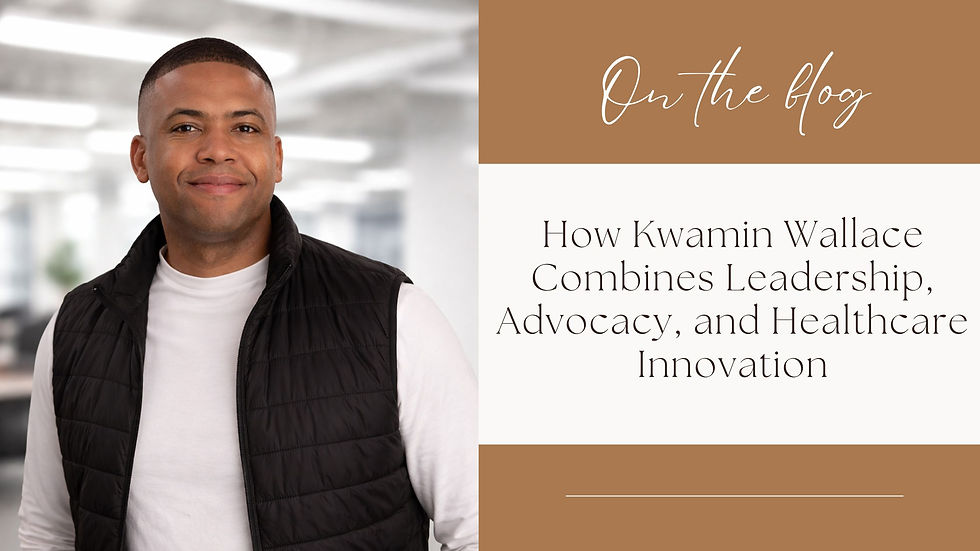
Kwamin Wallace exemplifies the power of this leadership approach through his dedication to public health advocacy, community empowerment, and equitable healthcare solutions. His work continues to inspire healthcare professionals and organizations to lead with empathy, purpose, and a commitment to meaningful change.

Comments